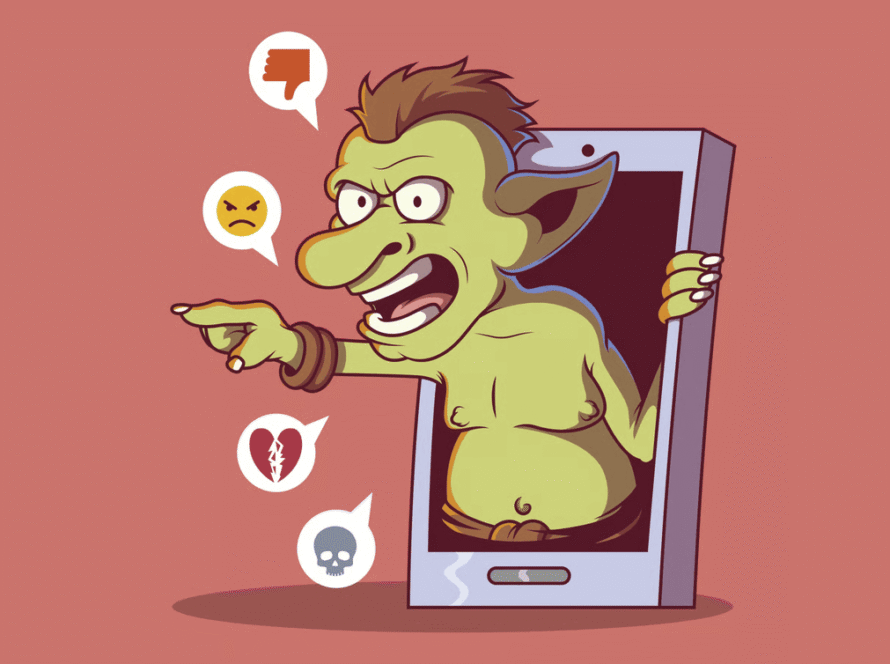
Some people react viscerally to words like “moist” and “mucus.” Yet there’s another m-word at which I often see writers recoil: “marketing.” That’s because marketing often feels slimy, shallow, and inauthentic — let alone daunting for indie writers. It requires butchering a book into bite-sized chunks before taking it to market.
But marketing doesn’t have to feel gross. In fact, good marketing — the type that hooks your readers — draws upon your passion, creativity, and vision. It names and elevates the best qualities of your story.
That’s what today’s worksheet is about: defining your book’s strongest, most attractive elements. Once you know what these elements are, it’s easy to create taglines, blurbs, and graphics that will attract your ideal readership.
You can download our free PDF worksheet for fiction books here:
Genre
Genre is more than categorizing story types; it’s a promise to deliver a specific experience to the reader. Every genre evokes a dominant emotion. Horror promises fear, fantasy promises escapism, self-help promises clarity, and so on. Even novels that blend genres aim to evoke an emotion, often complex ones (for example, a literary science-fiction novel may poke at a reader’s cognitive dissonance). These questions focus on the emotional or intellectual experience you’ve crafted for your readers.
- If a reader were to read your entire book in one sitting, what would be the dominant emotion they would feel once they close the book?
- Likewise, what would be the dominant thought or question that lingers with them?
- What are 2-3 more emotions, thoughts, or questions that would stay with them after reading?
- Which of these fulfill your genre’s promise, and which ones provide something unique?
- What are 2-3 published books that promise similar experiences?
Concept
Concept is the 1-to-3-sentence summary of what your story is about. It’s both your elevator pitch and the core of your book. This section guides you through creating your short pitch.
- Without using any names or proper nouns, who is your main character (MC)? (Example: “A cursed 11-year-old wizard living with his non-magical parents.”)
- What event early in the story forces your MC to become proactive? Or, phrased another way, what event forces your MC out of their ordinary, normal life? (Example: “An owl delivers an invitation to Hogwarts, a school for witchcraft and wizardry.”)
- What must your MC do to overcome this new problem in their life? (Example: “Harry must survive his first year at Hogwarts while protecting the Philosopher’s Stone hidden at the school.”)
- How long does the MC have to accomplish this goal? (Example: “Before the dark wizard takes the Philosopher’s Stone for himself.”)
- What will happen if your MC fails to accomplish this goal? (Example: “He will die, or worse, be expelled.”)
Put these elements together to create your concept pitch: [BOOK TITLE] is about a [#1 answer] when [#2 answer] and must [#3 answer] before [#4 answer], otherwise [#5 answer].
Aesthetics, Atmosphere, and Attitude
Sometimes, a book’s hook focuses less on plot and more on the three A’s of a story: Aesthetics, Atmosphere, and Attitude. These types of books promise to transport readers into richly textured worlds. Think Cyberpunk 2077 (full of plot, of course, but the aesthetic is what first catches one’s attention) or Terry Pratchett’s Discworld series (its attitude of satire and zany humor is the main draw). In addition to honing in on the triple-A’s, your answers to these questions will suggest what to include in your promotional materials.
- Compared to our reality, what is the most unusual aspect of your story’s world? Is it magic, technology, culture, supernatural phenomena, etc.?
- If you had to pick 5 items (i.e., clothing, vehicles, plants, animals, weapons, buildings, tech/magic, etc.) to introduce your world, what would they be?
- What are the most common fabrics and textures of your world? Is it a Wild West filled with wood, leather, and dirt? A futuristic spaceship made of chrome and immaterial holographs? Regency England with embroidered linens, floral silks, and gossamer lace?
- What are the dominant colors and sources of light in your world? Harsh fluorescents? Neon lights? Flickering lanterns of olive oil?
- If you were to give an interior designer instructions for creating a scene from your book, how would you describe the mood you’d want replicated?
- If your book could have a soundtrack, what songs would you include? What instruments? What type of lyrics (if any)?
- What recipe or cocktail would your main character make for your reader? How would they plate and serve it?
- What is the dominant mood of the people and their culture(s) in your story? Are they cutthroat, zany, charming, regal, polite, militaristic, etc.? What counterculture elements are at play?
- What are some notable quotes by your main characters and antagonists? Do they use slang? Is there a line that sums up their philosophy on life?
- Think of other books, movies, and video games. Would any characters from those worlds absolutely love to be teleported into your book?
If you’d like to get more worksheets like this, be sure to subscribe to our free newsletter, The Forge Letter.
Happy writing!
— Autumn, Forgemaster of Design